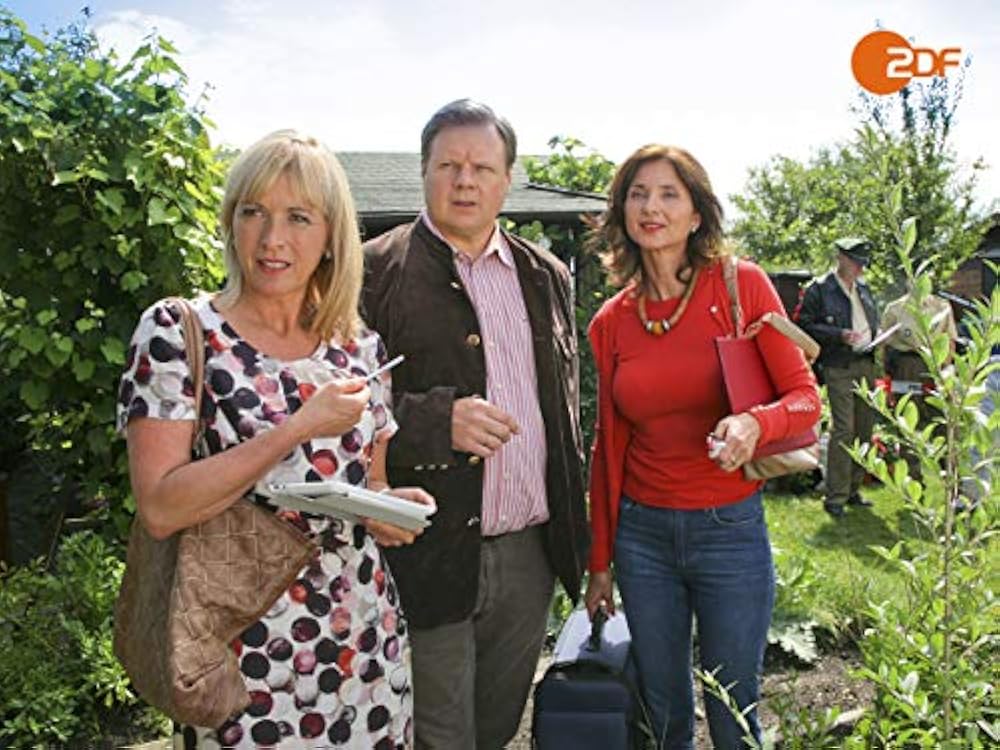
The idyllic setting of a German allotment garden, or Schrebergarten, often conjures images of tranquil afternoons, homegrown vegetables, and a sense of community. Yet, beneath this seemingly peaceful facade, simmering tensions can boil over into bitter disputes, and sometimes, even tragedy. Such is the premise of a gripping episode from the beloved German crime series, Die Rosenheim-Cops, titled Tod in Nachbars Garten (Death in Neighbor's Garden). This particular installment delves deep into the dark underbelly of neighborly quarrels, revealing how a seemingly minor disagreement can escalate with fatal consequences, drawing the ever-resourceful Rosenheim Cops into a complex web of grudges and suspicion.
The Allotment Garden: A Microcosm of Conflict in "Tod in Nachbars Garten"
In Germany, Schrebergarten culture is a cherished tradition. These small plots of land, often rented by urban dwellers, offer a green escape from city life, a place to cultivate gardens, relax, and socialize. However, the close proximity of these plots and the shared rules and responsibilities can also become fertile ground for conflict. Fences, hedges, noise levels, garden gnome placements, and even the "correct" way to compost can ignite fiery arguments among otherwise peace-loving citizens. The episode Rosenheim Cops Tod In Nachbars Garten masterfully uses this unique setting to heighten the drama and realism of its murder mystery.
At the heart of this particular story is the explosive rivalry between two neighbors, Xaver Lippig and Simon Mörtlbauer. Their long-standing feud wasn't just a minor disagreement; it was described as a "tobender Kleinkrieg" – a raging small war – a testament to the intensity of their mutual animosity. This persistent conflict had, no doubt, become the talk of the entire allotment community, casting a shadow over the otherwise pleasant atmosphere. The discovery of a body in Lippig's garden, therefore, points an immediate, albeit perhaps misleading, finger towards the long-standing hostility between these two men.
Unraveling the Bitter Feud Between Lippig and Mörtlbauer
The brilliance of Rosenheim Cops Tod In Nachbars Garten lies in its exploration of the mundane origins of deep-seated resentment. While the exact details of Xaver Lippig and Simon Mörtlbauer's feud are left to the imagination, common triggers in allotment garden disputes often include:
- Boundary Disputes: A few centimeters here or there can become a battleground.
- Noise Complaints: Loud parties, power tools, or even barking dogs can disrupt the peace.
- Vegetation Wars: Overhanging branches, invasive weeds, or competing gardening styles.
- Shared Resources: Disagreements over water usage, composting facilities, or communal paths.
- Perceived Infractions: Breaking unwritten rules of garden etiquette or snobbery over gardening techniques.
For Lippig and Mörtlbauer, their "raging small war" had evidently reached a critical point. Such feuds often escalate through a series of petty provocations, passive-aggressive actions, and verbal confrontations, building up a reservoir of anger and frustration. This simmering tension provides a potent backdrop for the tragic event that unfolds. When Paul Hieber is found bludgeoned to death in Xaver Lippig's garden, the Rosenheim Cops immediately recognize the pre-existing neighborly animosity as a crucial, if not convenient, lead.
The episode forces viewers and the fictional investigators to ponder: Was Paul Hieber a direct victim of this long-standing feud? Was he an innocent bystander caught in the crossfire? Or did his death merely serve as a convenient distraction, designed to pin the blame on one of the feuding parties? This layered mystery is precisely what makes Rosenheim Cops Tod In Nachbars Garten such a compelling watch.
Paul Hieber's Tragic End: A Catalyst for Investigation
The discovery of Paul Hieber's bludgeoned body marks the grim climax of the long-standing "Kleinkrieg." Hieber, a figure whose connection to the feuding neighbors is crucial to unraveling the mystery, becomes the tragic focal point. Was he an unfortunate mediator attempting to broker peace between the warring factions? Perhaps a friend or relative caught between the two? Or did he have an entirely separate agenda that brought him into Lippig's garden, making him a victim of circumstances unrelated to the direct feud, but conveniently placed within its volatile environment?
The investigators from the Rosenheim police station are faced with a challenging task. On one hand, the obvious animosity between Lippig and Mörtlbauer presents a clear motive and immediate suspects. On the other hand, seasoned detectives know that the most apparent solution is often not the correct one. They must sift through layers of grudges, alibis, and hidden motives within the tight-knit allotment community. Every raised voice, every petty act of sabotage in the preceding months, now takes on a darker significance. The stakes are incredibly high, not just for the suspects, but for the entire community where trust has been shattered.
For a deeper dive into the victim and the specifics of the crime, you can explore more on Paul Hieber's Death: Inside the Rosenheim Cops Schrebergarten Murder. Understanding Hieber's role is paramount to uncovering the true killer and the intricate dynamics at play in this deadly garden.
Beyond the Screen: Understanding and Preventing Neighbor Disputes
The fictional drama of Rosenheim Cops Tod In Nachbars Garten, while entertaining, also offers a stark reminder of how easily neighborly disagreements can spiral out of control. While most disputes don't end in murder, they can significantly diminish quality of life and create persistent stress. Understanding the common causes and implementing strategies for peaceful resolution is crucial.
Common Triggers of Neighbor Feuds:
- Property Lines and Fences: Often a source of endless debate.
- Noise: Music, pets, children, or power tools during "quiet hours."
- Pets: Barking, droppings, or wandering animals.
- Parking: Blocked driveways or contested street parking spaces.
- Overhanging Trees/Shrubs: Disputes over pruning, falling leaves, or roots.
- Shared Amenities: Communal areas, driveways, or utilities.
Practical Tips for De-escalation and Resolution:
- Communicate Directly and Respectfully: Address issues early, calmly, and privately. Avoid public confrontations or passive-aggressive tactics.
- Know the Rules: Be aware of local ordinances, HOA rules, or allotment garden regulations regarding noise, property lines, and maintenance.
- Listen Actively: Try to understand your neighbor's perspective. There might be a misunderstanding or a reason for their actions you haven't considered.
- Offer Solutions: Instead of just complaining, suggest practical ways to resolve the issue.
- Keep a Record: Document incidents, communications, and any attempts at resolution. This can be helpful if mediation or legal action becomes necessary.
- Seek Mediation: If direct communication fails, a neutral third party can often help facilitate a constructive dialogue and find common ground. Many communities offer free or low-cost mediation services.
- Understand Boundaries: Learn to differentiate between a genuine problem and a minor annoyance. Sometimes, simply learning to live with small irritations is the best path to peace.
While the stakes in real life are rarely as dramatic as portrayed in Rosenheim Cops Tod In Nachbars Garten, the episode serves as a powerful cautionary tale about the importance of managing conflict before it consumes relationships and communities.
The Enduring Appeal of Rosenheim Cops' "Tod In Nachbars Garten" and Other Mysteries
The enduring popularity of Die Rosenheim-Cops, and episodes like Tod in Nachbars Garten, stems from its unique blend of traditional crime procedural with a distinct Bavarian flavor. The show masterfully combines serious criminal investigations with lighthearted humor, picturesque scenery, and relatable characters. Its ability to ground complex murder mysteries in everyday scenarios, such as a neighbor feud in an allotment garden, resonates deeply with audiences.
The charm of the series lies in its consistent format: the bumbling but effective local police, the often-exasperated but brilliant city detective, the picturesque Bavarian backdrop, and the familiar faces in the local community. Episodes like this one highlight how easily personal conflicts can spiral, turning familiar places into scenes of crime. It's a testament to the show's writing that even without supernatural elements or high-octane chases, a simple dispute over a garden fence can become the precursor to a compelling murder mystery.
Fans of the series who enjoyed the intricate plotting and character dynamics in this episode will find similar satisfaction in other cases that explore the darker side of seemingly peaceful communities. To explore more about the overarching themes and various cases within the series, including the cultural significance of the Schrebergarten as a crime scene, check out Rosenheim Cops: Allotment Garden Murder Mystery.
Tod in Nachbars Garten from Die Rosenheim-Cops is more than just a crime story; it's a poignant exploration of human nature, the fragility of peace, and the dangerous potential of unresolved conflict. By placing a brutal murder within the seemingly innocuous confines of an allotment garden and amidst a long-standing neighbor feud, the episode delivers a compelling narrative that keeps viewers guessing while also offering a subtle commentary on societal tensions. It underscores that even in the most serene settings, the most personal battles can have the most fatal consequences, reminding us all of the importance of good neighborly relations.